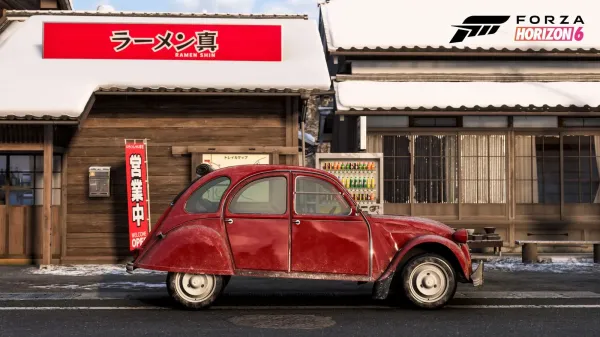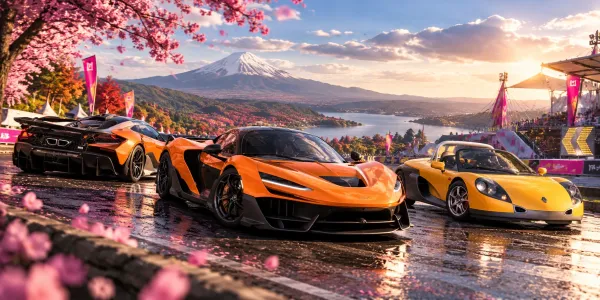








Forza Horizon 6 is still not out, so it is too early to treat every landmark detail as final. Right now, players are mostly going off pre-release footage, previews, leaks, and what the Japan setting already suggests.
Still, the hype makes sense. Japan is one of the most requested Horizon locations because it has everything a driving game needs: bright city streets, mountain roads, car meet spots, expressways, and scenic routes.
If you are searching for Forza Horizon 6 Japanese landmarks explained, this article keeps things simple. We are looking at the main Japanese-style landmarks players are expecting and why they could matter once the game is finally playable.
What Counts as a Japanese Landmark in FH6?
A landmark in Forza Horizon 6 does not have to be a huge building. In a racing game, a landmark can be any place players remember after driving through it.
That could be a skyline tower, a famous crossing, a car meet area, a highway loop, or a mountain road with sharp corners. These places matter because they make the map feel alive instead of just being a set of roads.
Japanese landmarks in FH6 may include:
- City icons
- JDM meet spots
- Highway routes
- Mountain roads
- Scenic photo areas
The final game may use exact real-world locations, inspired versions, or a mix of both. Until release, it is better to see these as expected landmarks, not confirmed final details.
These landmark expectations also connect with the wider Forza Horizon 6 experience, where Japan’s cities, highways, mountain roads, and scenic areas are expected to shape the full map identity.
Tokyo Tower and the City Skyline
Tokyo Tower is one of the first landmarks many players think of when they imagine Japan in Forza Horizon 6. If it appears clearly in the game, it could become a major visual point in the city.
This kind of landmark is useful because it makes the city easier to recognize. You could be driving through streets or on an expressway, and seeing the tower in the distance would instantly give the area a stronger Tokyo feel.
It would also be a great photo mode background. A clean JDM build, night lighting, and Tokyo Tower in the distance would be exactly the kind of shot players love to capture.
Players who want standout vehicles for these landmark shots may also want to explore Forza Horizon 6 rare cars, especially for JDM builds, city photos, and scenic garage showcases.
Even if it is not a major event location, it can still help the city feel more memorable.
Shibuya Crossing and City Energy
Shibuya Crossing is another location that fits perfectly with a Japan-based Horizon game. It has the busy city look players expect, with wide streets, bright screens, tall buildings, and that packed urban mood.
In FH6, a Shibuya-style area would probably be less about top speed and more about atmosphere. It could be a place for cruising, taking screenshots, recording clips, or just enjoying the city side of the map.
The full scene matters more than the crossing alone. Lights, traffic flow, road layout, and surrounding buildings could all help create that big-city feeling.
It would also give the map a strong contrast. After mountain runs or scenic roads, a dense city spot like this would make Japan feel more varied.
Daikoku Parking Area and JDM Culture
Daikoku Parking Area is a big name for car fans. It is not just a parking spot. It is tied to JDM meets, tuned cars, night drives, highway runs, and the social side of Japanese car culture.
That is why a Daikoku-inspired place would fit FH6 really well. Horizon is already about collecting cars, upgrading builds, cruising, and showing off your garage. A spot like this could easily become a player meetup area.
It could work well for:
- Build showcases
- Night car photos
- Player meetups
- Starting highway runs
This does not need to be a full Daikoku guide. For this article, the main point is that Daikoku matters because it gives the map a true car culture landmark, not just another pretty location.
C1 Loop and Highway Runs
Some landmarks are famous because of how they drive, not how they look. The C1 Loop is a good example of that.
A C1-style highway route could give Forza Horizon 6 that fast Tokyo night-run feeling. It would be different from open countryside roads because city highways usually feel tighter, quicker, and more intense.
This could become the kind of route players return to again and again just to test cars. Not because there is always an event there, but because the road itself feels fun.
The appeal is simple: skyline views, night lights, fast corners, and smooth highway flow. That is enough to make a road feel like a landmark.
That highway-driving appeal is supported by the official Forza Horizon 6 full map reveal, which confirms routes inspired by the C1 loop and Ginkgo Avenue alongside famous mountain passes such as Mt. Haruna and Bandai Azuma.
Mt. Haruna and Mountain Roads
Mt. Haruna is closely linked with Japanese mountain driving. If FH6 includes a Haruna-inspired area, it could become one of the best places for players who enjoy corners, elevation, and proper handling.
A mountain road changes the feel of the game. It is not just about speed. It is about braking, turning, timing, and keeping control through tighter sections.
That is perfect for players who like tuning cars for grip and clean cornering. It also adds variety, because the map should not feel like only highways and city streets.
As a landmark, Mt. Haruna matters because it brings the mountain-driving side of Japan into FH6.
Bandai-Azuma and Scenic Driving
Bandai-Azuma-style scenery could give the game a calmer side. Not every road has to be about racing. Some roads are fun because they look good and feel relaxing to drive.
A scenic mountain road could be great for cruising, road racing, and photo mode. It gives players a place to slow down and enjoy the world without always chasing the next event.
This kind of landmark also helps balance the map. City areas bring lights and energy, while scenic roads bring open views and a different driving rhythm.
If FH6 uses these areas well, they could become favorite routes for players who just want to drive.
Ginkgo Avenue and Photo Mode Spots
A Ginkgo Avenue-style road would bring a softer look to Forza Horizon 6. This kind of place is not about being the fastest route. It is about color, mood, and clean visuals.
Tree-lined roads and golden leaves could make it one of the best photo mode spots in the game. Players who enjoy taking screenshots would probably spend a lot of time there.
It would also give the map a peaceful area between city streets, highways, and mountain roads. Sometimes those quieter places are the ones players remember most.
Japanese Alps and Snowy Scenery
The Japanese Alps are not one small landmark, but they could still act as a major natural landmark area. Snowy roads, high mountains, and alpine views would give FH6 a colder and more dramatic side.
This matters because Japan is not only neon streets and JDM meets. The natural scenery can make the map feel bigger and more varied.
Snowy roads could also change how cars feel. A road car, rally build, and all-wheel-drive setup may all behave differently in alpine areas.
That makes this type of landmark more than just background scenery. It could affect how players drive, tune, and explore.
Why These Landmarks Matter
Japanese landmarks matter because they give FH6 personality. A map can have plenty of roads, but players remember places that feel different.
City landmarks help with recognition. Car culture spots give players a place to meet. Highways bring speed. Mountain roads add challenge. Scenic areas make the world feel worth exploring.
That mix is what could make Japan special in Forza Horizon 6. Players do not just want a big map. They want places they actually want to revisit.
Final Thoughts
Forza Horizon 6 Japanese landmarks could be a big part of what makes the map exciting. Tokyo Tower, Shibuya-style streets, Daikoku-inspired car culture, C1-style highways, Mt. Haruna-style roads, Bandai-Azuma scenery, Ginkgo Avenue-style roads, and snowy alpine areas all bring something different.
Since the game is still unreleased, these details should not be treated as final until players get access. But from the current pre-release picture, it is clear why fans are excited.
If these landmarks are handled well, Japan could feel like more than just the next Horizon setting. It could become one of the most memorable maps the series has had.
Explore More of FH6 Japan with These Services:

FAQs
Is Forza Horizon 6 already released?
No. Forza Horizon 6 is still in its pre-release phase, so final landmark and map details should not be treated as fully confirmed yet.
What Japanese landmarks are expected in Forza Horizon 6?
Players are mostly watching for Tokyo Tower, Shibuya-style streets, Daikoku-inspired car culture spots, C1-style highways, Mt. Haruna-style roads, Bandai-Azuma scenery, Ginkgo Avenue-style roads, and snowy alpine areas.
Will FH6 landmarks be exact real-world copies?
Not always. Some locations may look very close to real places, while others may be inspired versions made to fit the gameplay.
Why are Japanese landmarks important in FH6?
They make the map easier to remember. Good landmarks give players places to race, cruise, take photos, and visit again later.
Is this a full Forza Horizon 6 map guide?
No. This article only explains Japanese landmarks and their possible value in FH6. It does not cover full map size, every region, all roads, or DLC locations.