





One of FH6’s biggest strengths may be how it captures Tokyo highway culture, not just Tokyo as a pretty city backdrop.
Forza Horizon 6 is set in Japan, and that naturally makes players think about JDM cars, bright city roads, night cruising, and expressway driving. But this topic is bigger than just “Tokyo looks cool.” The real interest is how the game may turn Tokyo’s highway culture into a fun open-world driving experience.
Forza Horizon 6 launches on May 19, 2026, with Premium Edition early access starting May 15. Until the full game is out, this topic should be understood from a pre-release angle. Some details are confirmed, while others are best treated as expectations based on the Japan setting and the direction shown so far.
What Tokyo Highway Car Culture Means in FH6
Tokyo highway car culture is about the feeling of driving through a dense city road network with tuned cars, clean road flow, and a strong social car scene.
It is not only about racing. It is also about cruising, meeting other players, showing builds, testing cars, and enjoying the rhythm of expressway roads.
In FH6, this matters because Tokyo-style roads can give the game a different kind of energy. Instead of only wide countryside roads or simple city blocks, players may get tighter urban routes, elevated highways, tunnels, ramps, and fast expressway sections.
That makes the Tokyo side of FH6 feel more connected to car culture, not just map design.
This highway-focused driving style also connects with the wider Forza Horizon 6 experience, where Japan’s cities, expressways, cars, and social driving culture shape the full open-world identity.
Why C1-Inspired Roads Matter
The C1 loop is one of the biggest terms linked with Tokyo expressway culture. In a game like FH6, C1-inspired roads can create a strong driving loop that feels fast, technical, and repeatable.
This kind of road is important because it is not just a straight highway. It can include bends, exits, bridges, tunnels, and sections where the city feels close around you.
That style works well for different types of players:
- Players who enjoy clean high-speed runs
- Players who like tuning cars for handling
- Players who want photo mode locations
- Players who enjoy cruising with friends
- Players who want a stronger JDM road fantasy
This is why C1-inspired roads are more than a small map detail. They can shape how Tokyo feels in FH6.
Tokyo City Scale Makes the Highways Feel Alive
Tokyo City scale is another important part of this topic. Highway culture needs a city that feels dense and connected.
If the city area feels large enough, the expressways can become more than background roads. They can act like the main veins of the map, connecting players from urban streets to meet spots, industrial areas, and faster routes.
That is what makes FH6 Tokyo highway culture different from basic city driving.
In older Horizon games, cities were often fun areas to pass through, but they did not always feel like the center of the car culture. FH6 has a chance to make Tokyo’s roads feel like a place where players actually gather, cruise, and build their driving identity.
Expressway Culture Is Different From Normal City Driving
Generic city driving usually means buildings, traffic-style streets, short corners, and visual landmarks. Tokyo highway culture has a more specific identity.
It is about movement above and through the city. The roads are part of the culture. The car you drive, the route you choose, and the people you cruise with all matter.
That is why this article should not be mixed with a normal Tokyo city article.
Tokyo highway culture is built around:
- Expressway driving
- Urban density
- Night cruising
- JDM builds
- Car meets
- Social racing
- Fast road flow
This makes it a separate topic from general Tokyo visuals, seasons, weather, or landmarks.
Car Meets Bring the Social Side
Car-meet energy is one of the strongest parts of Japanese highway culture. A highway scene feels more alive when players have places to gather before or after a run.
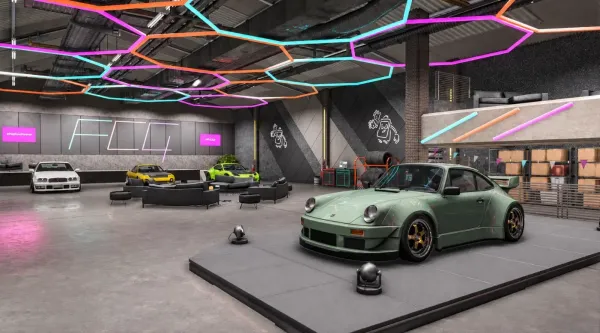
In FH6, car meets could become the social heart of Tokyo driving. Players may use them to park up, show custom cars, compare builds, take photos, and then head out for expressway cruising.
This fits the Horizon formula very well because Forza Horizon is not only about winning races. It is also about collecting cars, building them, showing them, and enjoying the world with other players.
Players who want more freedom with their own garage and custom setups may also find the Forza Horizon 6 personal account mod useful for car meets, cruises, and build showcases.
A good car meet turns the road culture into a community.
JDM Culture Fits the Highway Fantasy
JDM culture is a major reason players connect Forza Horizon 6 with Tokyo highways. Cars like the Skyline GT-R, Supra, RX-7, Silvia, NSX, Lancer Evolution, WRX, and Civic Type R are strongly linked with Japanese performance culture.
The article does not need to become a full car list. The important point is how these cars fit the highway setting.
A tuned JDM car on a Tokyo-style expressway gives FH6 a clear identity. The body kit, wheels, spoiler, livery, engine sound, and handling setup all become part of the experience.
Players who want standout vehicles for expressway cruising and JDM-style builds may also want to explore Forza Horizon 6 rare cars, especially for highway runs, car meets, and night driving screenshots.
That is why highway culture works so well in a Horizon game. Players do not just want to drive fast. They want their car to feel like it belongs in that world.
Night Cruising Adds the Mood
Night cruising is part of the appeal, but it should not take over the whole topic. This article is about highway culture first, not just Tokyo at night.
Still, night driving gives the expressway scene a stronger mood. Bright city lights, reflections, tunnels, and parked-up car meets can make the setting feel more alive.
This is where FH6 could make Tokyo feel different from past Horizon cities. The city is not just there to look nice. It can support a driving fantasy where players cruise, meet, tune, and race in a setting that feels made for cars.
How This Could Shape FH6 Gameplay
Tokyo highway culture can shape FH6 gameplay in several ways. It can make cruising more fun, make car meets more meaningful, and give JDM builds a natural place to shine.
Players may use Tokyo expressways for:
- Testing top speed
- Comparing tuned builds
- Cruising with friends
- Starting street-style races
- Taking car photos
- Moving between city zones
- Creating their own social driving routes
This is why the topic has strong value as a supporting article. It explains a specific part of the Japan setting without repeating broader FH6 Japan content.
That social loop also matches early car-meet coverage, which frames FH6 Car Meets as a way for players to gather, show builds, and turn Japan’s roads into shared driving spaces.
Final Thoughts
Forza Horizon 6 Tokyo highway car culture simply means understanding how Tokyo-style expressways, C1-inspired roads, JDM cars, car meets, and night cruising could shape the game’s Japan identity.
This is not just about having another city on the map. The real appeal is the road culture behind it.
If FH6 handles this well, Tokyo’s highways could become one of the most memorable parts of the game. They could give players a place to cruise, race, meet, tune, and enjoy Japanese car culture in a way that feels different from older Horizon city driving.
Build Your FH6 Highway Garage with These Services:

FAQs
What is FH6 Tokyo highway car culture?
It means the expressway driving, JDM tuning, car meets, night cruising, and social racing energy connected to Tokyo-style roads in Forza Horizon 6.
Why are C1-inspired roads important in FH6?
C1-inspired roads matter because they can give players fast, flowing, and technical expressway routes that feel different from normal city streets.
Is Tokyo highway culture the same as city driving?
No. City driving is usually about streets and buildings. Tokyo highway culture is about expressway flow, tuned cars, car meets, and social road identity.
Will JDM cars be important for this topic?
Yes. JDM cars fit naturally with Tokyo highway culture because players connect Japanese expressways with tuned performance cars and custom builds.
When does Forza Horizon 6 release?
Forza Horizon 6 launches on May 19, 2026, with Premium Edition early access starting May 15.