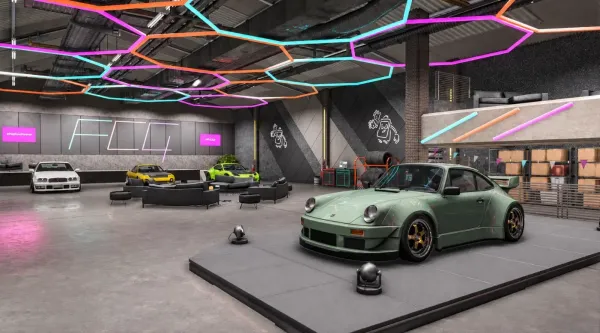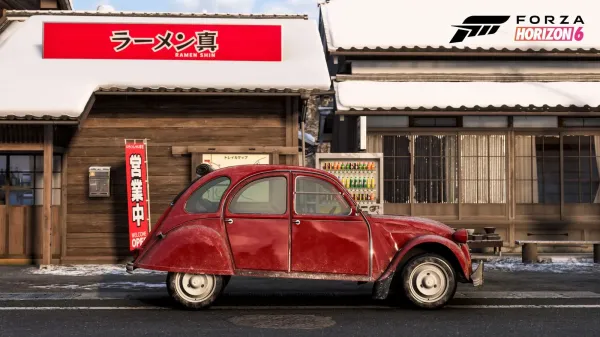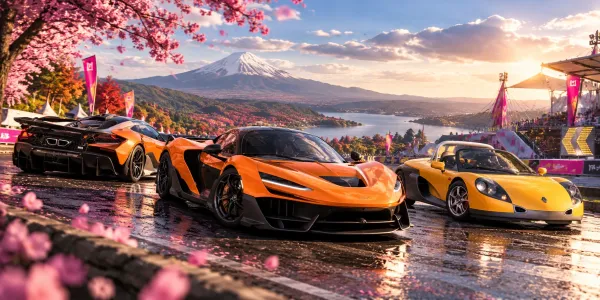









UPDATE: Forza Horizon 6 officially launched on May 19, 2026, confirming Shibuya Crossing as a fully explorable, high-density landmark within the Tokyo City biome. It features dynamic pedestrian density, glowing neon billboards, and intense street-level racing circuits!
Shibuya Crossing is one of the clearest signs that FH6 takes Tokyo’s urban identity seriously, rather than just borrowing Japan as a loose backdrop. Exploring the Forza Horizon 6 Shibuya Crossing gameplay reveals how this famous Tokyo-style landmark affects city driving, route design, exploration, photo mode, and the overall feel of the city. This page focuses entirely on Shibuya Crossing as a major gameplay landmark, what it officially adds to the Japan map now that the game is live, and how experiencing this high-fidelity environment can help players decide if the Forza Horizon 6 Premium Edition Worth It.
What Shibuya Crossing Means in FH6
Shibuya Crossing is one of Tokyo’s most recognizable urban spaces. In FH6, its value is not only visual. It gives Tokyo City a clear landmark that players can instantly understand.
A place like this can make the city feel more grounded. Instead of only driving through generic roads, players may pass through an area that feels tied to real Tokyo identity.
The official Tokyo City Biome Showcase confirms Shibuya Crossing as one of Tokyo City’s major landmarks, placing it alongside Tokyo Tower and Daikoku Parking Area as part of FH6’s urban identity.
That matters because FH6’s Japan fantasy depends on more than mountains, highways, and cars. It also needs city spaces that feel memorable, busy, and different from older Horizon locations.
This landmark-focused city design also connects with the wider Forza Horizon 6 experience, where Japan’s roads, cities, and scenery are expected to create different driving moods across the map.
Why It Matters for Gameplay
Shibuya Crossing can work as a gameplay landmark because it gives players a clear point inside the city. Open-world racing maps need these places because they help players remember routes.
A strong landmark can become a meeting point, photo spot, route marker, or part of a city race. It gives the map more structure without needing a long explanation.
In gameplay terms, Shibuya Crossing could support:
- Urban races through dense streets
- Landmark-based route design
- Free roam cruising
- Photo mode scenes
- City exploration
- Street-level immersion
This makes it more than background detail. It can become part of how players understand Tokyo City.
Tokyo City and Urban Density
Tokyo City is expected to be one of FH6’s biggest urban draws. Shibuya Crossing fits that because it represents density, movement, and city energy.
The crossing suggests a packed urban area, with roads, signs, lights, buildings, and tight city layouts around the player. That kind of design can make FH6 Tokyo gameplay feel more intense than normal open-road driving.
Instead of long empty roads, players may get shorter straights, tighter corners, and more visual detail around every route. This can make the city feel alive without needing the article to cover the whole Tokyo map.
What Kind of Driving It Suggests
Shibuya Crossing is not about long highway pulls. It suggests street-level driving, intersections, corners, and quick direction changes.
That makes it different from the Tokyo highway . Highway culture is about speed, flow, expressways, and car meets. Shibuya Crossing is about the urban core.
The roads around this kind of landmark may feel better for:
- Short city sprints
- Tight urban racing
- Stylish cruising
- Landmark photography
- Street-route exploration
This gives FH6 another driving mood inside the same Japan map.
Neon Streets and Visual Identity
Shibuya Crossing is strongly connected with the idea of bright city visuals. Even if FH6 does not copy every real-world detail, the area can support the larger Tokyo fantasy of lights, signs, roads, and urban energy.
This is where FH6 Shibuya Crossing can connect naturally with neon streets and city atmosphere.
At night, the area could feel more cinematic. During the day, it could show road layout and city scale. In both cases, the landmark helps Tokyo feel more recognizable.
That visual identity matters because players want Japan to feel different from earlier Horizon maps.
Why It Is Not Just Another Landmark
Some landmarks only look good from a distance. Shibuya Crossing has stronger gameplay value because it can sit inside the driving path.
Players may drive through it, race past it, stop nearby, or use it as a photo location. That makes it feel active instead of decorative.
A landmark like this can help the city by giving players:
- A clear sense of place
- A memorable driving area
- Better route recognition
- Stronger photo opportunities
- More reason to revisit Tokyo City
That is why Shibuya Crossing deserves its own focused article.
How It Supports the Japan Fantasy
For many players, Japan in FH6 means more than scenic roads. It means Tokyo streets, glowing signs, famous crossings, dense city routes, and a city that feels alive.
Shibuya Crossing supports that fantasy because it is one of the clearest symbols of modern Tokyo.
It tells players that Tokyo City is meant to have its own identity. The Japan map should not feel like countryside roads with a few city blocks added. It should offer different driving moods across urban areas, highways, mountains, and scenic routes.
Photo Mode and Player Creativity
Shibuya Crossing could become one of the strongest photo mode spots in FH6. Players like locations that instantly show where they are, and this kind of landmark does that well.
A custom car near a Tokyo-style crossing can feel more interesting than the same car on a plain road. The setting adds context to the build.
Players who enjoy showcasing special builds may also want to explore Forza Horizon 6 rare cars, especially for photo mode shots around Tokyo-style city landmarks.
It can work especially well with:
- JDM builds
- Widebody cars
- Clean street cars
- Night photography
- Neon lighting
- City-road screenshots
For players who love sharing builds, Shibuya Crossing could become a natural screenshot location.
How This Differs From Tokyo at Night
This article is not the same as a Tokyo-at-night article. That topic focuses on neon lighting, reflections, dark roads, and night atmosphere across the city.
Shibuya Crossing is narrower. It focuses on one specific landmark and how that landmark may affect driving, routes, city recognition, and photo mode.
The difference is important because each supporting article needs its own angle. This article is about landmark gameplay, not the whole night-time city mood.
What Players Should Expect
Players should expect Shibuya Crossing to be part of Tokyo City’s landmark identity, not the whole Tokyo experience.
The safest expectation is that it will help shape urban driving, city atmosphere, and visual recognition. It may work as a driving route, photo spot, exploration point, or landmark inside Tokyo City.
Players should not expect this topic to cover every city feature. Shibuya Crossing is one important piece of Tokyo, not the full Tokyo gameplay experience.
That focus keeps the article clear and avoids repeating broader Tokyo content.
Final Thoughts
Forza Horizon 6 Shibuya Crossing gameplay matters because it shows how FH6 can turn famous Tokyo identity into a driving space.
The appeal is not only that Shibuya Crossing looks familiar. The appeal is how it can support city roads, landmark driving, photo mode, neon streets, and urban density.
If FH6 handles it well, Shibuya Crossing could become one of the most recognizable places players return to in Tokyo City, whether they are racing, cruising, exploring, or taking screenshots.
FAQs
What is Forza Horizon 6 Shibuya Crossing gameplay?
It refers to how Shibuya Crossing may work inside FH6 as a Tokyo City landmark for urban driving, exploration, photo mode, and city atmosphere.
Is Shibuya Crossing part of FH6 Tokyo City?
Yes, Shibuya Crossing-inspired content is part of the Tokyo City identity shown for FH6.
Will Shibuya Crossing be used for races?
It may be used around Tokyo City driving routes, but players should wait for full launch details before assuming specific race types.
How is this different from Tokyo highway culture?
Tokyo highway culture focuses on expressways and high-speed road flow. Shibuya Crossing is more about dense streets, landmark driving, and city atmosphere.
When does Forza Horizon 6 release?
Forza Horizon 6 is expected to launch on May 19, 2026, with early access starting on May 15 for eligible players.
Check out some of our Popular Forza Horizon 6 Services: