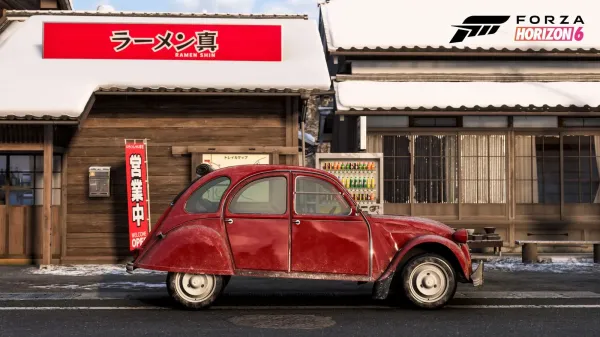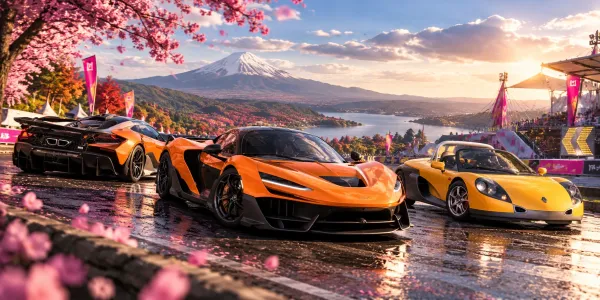








Forza Horizon 6 already looks like a bigger step up than Forza Horizon 5 when it comes to map design, but the real upgrade may not be raw size alone. Based on what has been shown so far, FH6’s Japan map seems built to feel denser, more vertical, and more packed with memorable roads than FH5’s Mexico map. It is also being positioned as the largest Horizon map yet, which makes this comparison even more interesting before launch.
That matters because Horizon maps are not judged by square size alone. Players care about how often the world stays interesting, how quickly the roads change character, and whether the map still feels exciting after hours of driving. Early coverage suggests FH6 is trying to improve all of that at once, not just give players more empty land to cross.
Is Forza Horizon 6 Bigger Than Forza Horizon 5?
So far, FH6 looks bigger than FH5. The safest way to say it is that FH6 is being described as the biggest Horizon map so far, which puts it ahead of FH5’s Mexico map in overall ambition and scale. But what makes this comparison more exciting is that FH6 does not just sound larger on paper. It also sounds more layered and more deliberate in how the world is built.
That is a big difference. A larger map does not always feel better if too much of it is open space between good roads. FH6 seems to be aiming for a stronger upgrade by combining a larger world with more urban driving, more elevation, and more route variety. That gives the map a better chance of feeling like a real next step instead of just a size boost.
FH5 Mexico vs FH6 Japan
The main difference between these maps is not only location. It is how they seem designed to be experienced.
FH5’s Mexico map gave players broad scenery, long open stretches, and a lot of visual freedom. FH6’s Japan map looks like it is leaning harder into contrast, tighter transitions, and stronger route identity. Instead of feeling spread out first and detailed second, FH6 appears to be trying to make more of the world feel active and memorable.
A simple way to understand the comparison is this:
- FH5 Mexico feels broader and more open
- FH6 Japan looks denser and more layered
- FH5 focuses more on wide scenic freedom
- FH6 seems built around stronger city driving, elevation, and variety
That makes FH6 vs FH5 more than a basic size question. It becomes a question of which map feels better to drive.
Why Tokyo Matters So Much
If there is one detail that instantly changes the FH6 vs FH5 map conversation, it is Tokyo.
So far, FH6’s Tokyo area is being presented as much larger than any previous city space in the series. That is a huge sign that the city side of the map is not just a small feature area. It suggests a much stronger urban core and a map where city driving matters far more than it did in older Horizon games.
That matters because city space changes how players remember a map. A large, active urban area creates tighter roads, more visual density, and more technical driving. In FH5, Guanajuato added personality to the world, but FH6’s Tokyo looks like it could be central to the entire map identity rather than just one memorable stop. Early impressions also describe it as intricate, technical, and more demanding to drive, which makes it sound like a major part of the overall experience.
Density Could Matter More Than Raw Size
This is probably the most important part of the comparison.
Early impressions do not only say FH6 is bigger. They suggest it feels denser and more memorable than FH5. That is a stronger kind of upgrade because density affects every minute of driving. When the roads feel more purposeful and the world changes character more often, the map stays interesting longer.
FH5’s map looked beautiful, but some players felt parts of Mexico were more spread out than memorable once the first impression faded. FH6 appears to be pushing in the other direction. Instead of relying mainly on scale, it seems designed to make roads, districts, and route transitions feel more deliberate.
In simple terms:
- FH5 often feels wide
- FH6 looks like it may feel packed
- FH5 gives space to breathe
- FH6 seems to offer more constant driving interest
That is why density may end up being the bigger story than map size itself.
Some early comparison coverage also suggests FH6 may stand out more for its dense, layered world than for raw map size alone.
Why Verticality Makes FH6 Feel Like a Bigger Upgrade
Verticality is one of the strongest reasons FH6 may feel like a real jump over FH5.
What has been shown so far suggests FH6 could be the most vertical Horizon map yet. That means more elevation changes, more layered roads, and more dramatic shifts between one area and the next. In a racing game, that matters a lot. A world can feel richer and more dynamic when the routes climb, drop, twist, and connect across different levels instead of staying mostly flat.
Verticality also changes how roads play. Uphill runs, downhill sections, stacked city routes, and mountain passes all create a stronger sense of movement through the world. That makes the map feel more alive. So even if players start with the question “Is FH6 bigger than FH5?”, one of the better answers may be “Yes, but it may feel more upgraded because it is more vertical too.”
FH6’s Roads Look More Memorable
A Horizon map only works if the roads are worth repeating.
That is another area where FH6 sounds promising. Early preview impressions suggest the roads feel more intentionally designed, with stronger personality from one route to the next. Instead of simply connecting parts of the map, they seem built to create different driving moods depending on where you are.
This matches the broader layout being described. FH6 seems to move between city streets, mountain roads, and more open scenic routes in a way that keeps the driving experience fresh. The contrast between Tokyo and mountaintop roads is a big part of that. It suggests the map may offer stronger variety in a shorter time, which is exactly what helps a world feel memorable.
Why FH6’s Japan Map May Feel More Varied Than FH5’s Mexico Map
FH6’s Japan map seems built around stronger contrast.
The map is being described less like a full real-world copy and more like a carefully chosen version of Japan that brings major driving fantasies into one Horizon world. That means the experience may shift quickly from urban roads to mountain passes to broader scenic driving without needing long dead stretches in between.
That could be one of FH6’s biggest advantages over FH5. Mexico had variety, but FH6 seems designed to make that variety feel more immediate and more tightly packed. If that holds up in the full release, the result could be a map that feels more exciting minute to minute, even for players who usually care most about total size first.
For players planning to spend a lot of time exploring Japan after launch, the broader Forza Horizon 6 services may also be useful later for progression help, account building, or reducing grind-heavy parts of the game.
What Is Confirmed So Far
Some parts of this comparison already look solid.
So far, FH6 is being presented as the biggest Horizon map yet. It is also being described as the most vertical Horizon map so far, and Tokyo is being framed as much larger than any earlier city area in the series. Early preview impressions suggest FH6 may feel denser and more memorable than FH5.
At the same time, a few things still need the full release before anyone should act fully certain:
- The exact final raw-size gap between FH6 and FH5
- The full long-term feel of the world after many hours of play
- How consistent the density is outside the most showcased areas
- Whether every region feels as strong as Tokyo and the mountain roads
That is why the smartest way to write this comparison is to stay clear and careful. FH6 looks bigger and more ambitious so far, but the finished game still has to prove how well all of this holds up.
Final Verdict
Right now, FH6 looks like more than a routine map expansion over FH5. It appears to be a bigger, denser, more vertical, and more city-focused world. That is what makes this comparison exciting. The biggest upgrade may not be extra land alone. It may be how much more memorable the roads, districts, and driving spaces feel from one area to the next.
If you want the short answer, it is this:
- FH6 looks bigger than FH5
- Tokyo looks like a major upgrade over past city spaces
- FH6 seems denser and more vertical
- The map may feel more varied and more rewarding to drive
- The full release still needs to confirm how all of this plays out
That is the clearest and safest answer to the keyword right now.
Explore More of FH6 with These Services:


FAQs
Is Forza Horizon 6’s map bigger than Forza Horizon 5’s?
So far, Forza Horizon 6 looks bigger than Forza Horizon 5. But the more important difference may be that FH6 also seems denser, more vertical, and more city-focused, which could make the world feel like a bigger upgrade overall.
How does FH6’s Japan map feel different from FH5’s Mexico map?
FH5’s Mexico map feels broader and more open, while FH6’s Japan map looks more layered and more tightly packed. FH6 seems built around stronger city driving, elevation changes, and faster shifts between road types.
Why is Tokyo such a big deal in the FH6 vs FH5 comparison?
Tokyo matters because it looks like one of the clearest signs that FH6 is aiming for a much bigger and more important urban area than past Horizon maps. It makes the FH6 world feel more city-driven and more technically focused than FH5.
Does map size matter more than density in Forza Horizon 6?
Not really. Raw size matters, but density may matter more for how the map actually feels to drive. A denser world with better road variety and stronger landmarks can feel more exciting than a map that is simply larger on paper.
Why does verticality matter in Forza Horizon 6?
Verticality matters because it changes how roads feel and how the world flows. More climbs, downhill sections, layered roads, and route variety can make FH6 feel more dynamic than FH5 even beyond simple map size.
Is FH6’s map likely to feel better than FH5’s?
It could, based on what has been shown so far. FH6 already looks more urban, more vertical, and more packed with memorable roads, which may make it feel more rewarding to drive than FH5’s broader, more open map.