








FH6’s Japan setting works best when you understand how much of it is about authenticity, not just fan service.
Forza fans have asked for Japan for years, but simply placing the Horizon Festival in Japan would not be enough. The real challenge is making the location feel believable, respectful, and full of identity.
That is why Forza Horizon 6 cultural authenticity explained is not just about landmarks or pretty roads. It is about how the game appears to use cultural detail, atmosphere, car culture, and careful design intent to make Japan feel like more than a racing backdrop.
What Cultural Authenticity Means in FH6
Cultural authenticity in FH6 means the world should feel connected to the place it is inspired by. It should not feel like a random open-world map with Japanese signs added on top.
From what has been shown so far, the Japan setting seems built around atmosphere, road identity, and local detail. That includes the way streets look, how cities feel at night, how rural roads flow, and how car culture fits into the world.
For players, this matters because Japan is not just another requested location. It carries a strong identity in racing culture, drifting, tuning, scenic driving, and street car communities.
This wider setting choice also connects with the overall Forza Horizon 6 experience, where Japan’s roads, culture, and driving identity shape much more than the backdrop.
Why Japan Needs Careful Handling
Japan has been one of the biggest fan-demand settings for the Forza Horizon series. Because of that, expectations are high.
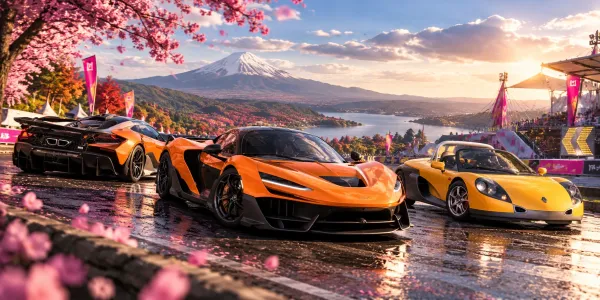
If the game only used Tokyo lights, Mount Fuji views, and drift roads, it could easily feel like fan service. Those things are exciting, but they need context. The setting has to feel like it respects the location, not just uses it for visuals.
That careful approach is also reflected in coverage of how Playground aims to get the Japanese details right, including the use of cultural guidance to better understand the setting instead of relying only on surface-level imagery.
That is where FH6 authenticity becomes important. The game needs to balance fun, freedom, and Horizon-style energy with a world that still feels rooted in Japanese culture.
The Role of Design Intent
The strongest part of FH6 Japan authenticity appears to be the design intent behind the setting. The goal is not only to give players a new country to drive through, but to make the world feel shaped by Japan’s identity.
That means the map should not feel like a checklist of famous places. A strong Japan setting needs:
- Roads that match the mood of the location
- City areas that feel alive without being overdone
- Countryside routes that feel calm and scenic
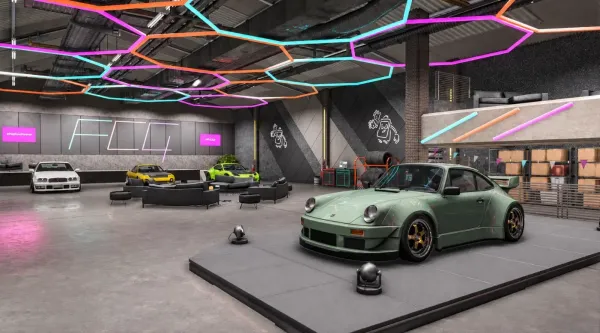
- Car culture that fits naturally into the world
- Small visual and sound details that support immersion
This kind of worldbuilding helps the game feel more grounded, even when the racing itself stays fast, fun, and exaggerated in true Horizon style.
Authenticity Is More Than Landmarks
A common mistake with famous locations is relying too much on landmarks. A Japan map can include famous scenery, but that alone does not make it authentic.
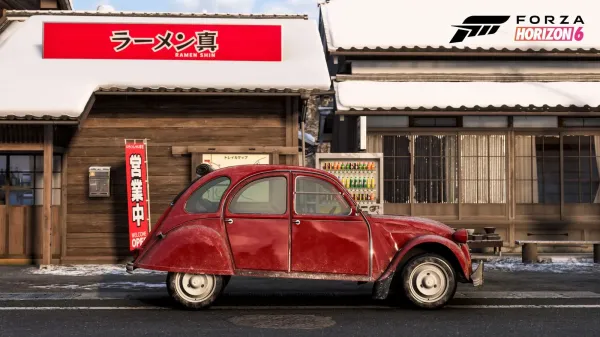
Forza Horizon 6 seems more interesting when you look at the smaller details. Things like road layout, lighting, signs, storefronts, traffic flow, weather mood, and sound design can all help the setting feel more believable.
These details may not always be the first thing players notice, but they affect how the world feels while driving. A street at night, a mountain pass at sunrise, or a quiet rural road can say more about the map identity than a single famous building.
Japanese Car Culture Matters
Japan is not only important because of its scenery. It is also one of the most important countries in global car culture.
Players interested in the collector side of that culture may also want to explore Forza Horizon 6 rare cars, especially if they care about special vehicles and long-term garage goals.
That is why cultural authenticity in FH6 should include more than map design. The cars, roads, meet-up spaces, and driving styles all need to connect with the setting.
Players will likely expect the game to respect areas of Japanese car culture such as:
- Touge-inspired mountain driving
- Drift culture
- Compact and Kei car identity
- Tuning and customization
- Night driving atmosphere
- Community-style car meets
These elements should not feel forced. They work best when they are part of the world naturally, not added only because fans expect them.
Atmosphere Makes the Setting Feel Real
Atmosphere may be the biggest part of FH6 cultural authenticity. Japan has a strong visual and emotional identity, but the game needs to capture that without turning everything into a stereotype.
A believable FH6 Japan should have contrast. Busy city streets should feel different from quiet mountain roads. Coastal drives should feel different from tight urban routes. Seasonal changes should affect the mood of the world, not just change the color of the trees.
This is where the setting choice becomes powerful. Japan gives the game space for neon cities, peaceful countryside, mountain roads, festival energy, and detailed street culture within one map identity.
Respect for Location Without Losing Horizon Fun
Forza Horizon is not a driving simulator of real life. It is still an open-world racing festival built around freedom, speed, and fun.
Because of that, FH6 does not need to copy Japan one-to-one. What matters is whether the game captures the feeling of the place in a respectful and enjoyable way.
The best version of this setting would feel like a Horizon-style Japan: brighter, faster, and more playful than reality, but still built with care. That balance is what separates strong worldbuilding from simple fan service.
How This Helps Players
Cultural authenticity is not only important for people who know Japan well. It also helps every player understand the world better.
When the setting feels detailed and intentional, players can enjoy the map more naturally. Roads feel like they belong. Car choices make more sense. Events feel connected to the location. Even casual driving becomes more memorable.
For beginners, this makes the game easier to enjoy. They do not need deep knowledge of Japanese culture to feel the difference between a generic racing map and a world built with a clear identity.
What Players Should Expect Carefully
Since FH6 is still being discussed from a pre-release angle, players should be careful not to treat every early detail as final.
Based on what has been shown so far, the game appears to be aiming for a Japan setting that focuses on care, detail, and atmosphere. That does not mean every cultural detail, location, or feature is guaranteed exactly as players imagine.
The better way to look at it is this: FH6’s Japan setting seems designed around authenticity as a guiding idea. The final game will show how well that idea works across the full map, events, cars, and open-world experience.
Final Thoughts
Forza Horizon 6 cultural authenticity explained comes down to one simple idea: Japan should feel like a real source of identity for the game, not just a popular setting choice.
The map can still be exciting, colorful, and festival-like, but it needs detail behind the style. Roads, atmosphere, car culture, signs, sounds, seasons, and worldbuilding all play a part.
If Playground handles those elements carefully, FH6 could give players a Japan setting that feels fun for fans, easy to enjoy for beginners, and respectful enough to stand apart from a simple fan-demand location.
FAQs
What does cultural authenticity mean in Forza Horizon 6?
Cultural authenticity means FH6’s Japan setting should feel carefully designed around Japanese atmosphere, roads, car culture, and world identity instead of only using famous visuals.
Is FH6 Japan authenticity only about Tokyo?
No. Tokyo can be part of the setting, but authenticity also comes from rural roads, mountain routes, signs, seasons, sounds, and Japanese car culture.
Why is Japan such an important setting for FH6?
Japan has been heavily requested by fans and has deep links to drifting, tuning, Touge roads, compact cars, and racing culture, making it a strong fit for Forza Horizon.
Will Forza Horizon 6 copy real Japan exactly?
Not necessarily. FH6 is expected to use a Horizon-style version of Japan, meaning it may focus on the feeling, atmosphere, and identity of the location rather than a one-to-one copy.
Why does authenticity matter for players?
Authenticity helps the world feel more believable. It makes the roads, events, cars, and atmosphere feel connected, so players get a stronger and more memorable experience.