





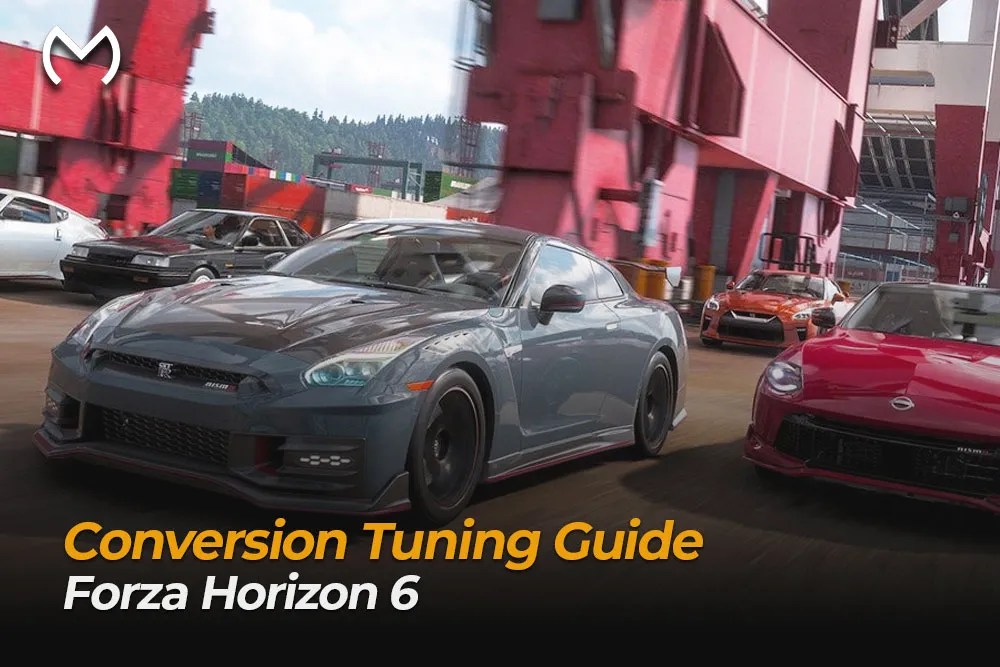
Conversion upgrades shape a car before detailed tuning begins. An engine swap, drivetrain conversion, aspiration change, or widebody kit can improve performance, but each option also changes PI cost, weight, balance, and power delivery.
Start with the race type and target class. More horsepower is not useful if the build loses grip, becomes harder to control, or moves into the wrong class.
What Conversion Tuning Changes
Conversions can affect:
- Power-to-weight ratio
- Weight distribution
- Launch traction
- Corner-exit acceleration
- Throttle response
- Top speed
- Tire width
- Remaining PI budget
A good conversion fixes a weakness without creating a larger one. A heavy engine may add peak power but reduce turn-in and leave less PI for tires, brakes, and suspension.
Choose the Race Type and Target Class First
Road builds need balance and predictable corner exits. Dirt rally and cross-country cars need traction. Drag cars focus on launch and top-end pull, while drift setups need controllable torque.
The class limit matters just as much. An AWD swap may suit an S1 build, but it can consume too much PI on a light B-class car.
Leave room for chassis upgrades before filling the class with engine power.
Should You Keep the Stock Engine?
Do not replace the stock engine automatically. Many factory engines already offer strong PI efficiency, useful torque, and better chassis balance.
Use the Buy and Install screen to compare:
- PWR value
- Engine weight
- PI increase
- Horsepower and torque
- Aspiration options
- Effect on the target class
A heavy Racing V12 can improve straight-line speed but create a forward weight shift in a small chassis. A lighter V8, Racing I6, or turbo engine may produce a faster overall build.
Available Forza Horizon 6 engine swap options also vary by car, so similar vehicles may not offer the same choices.
Which Aspiration Option Should You Choose?
Aspiration changes how the engine delivers power.
| Aspiration | Best Use | Main Drawback |
| Naturally Aspirated | Lightweight road builds | Lower power ceiling |
| Centrifugal Supercharger | Circuit builds | Power rises with RPM |
| Positive-Displacement Supercharger | Drift, drag launch, cross country | Higher PI cos |
| Twin Turbo | Sprints and top-speed builds | Turbo lag |
| Single Turbo | Rally and mid-range builds | Lower peak output |
A Positive-Displacement Supercharger gives instant low-end torque, which helps during launches, slides, and slow corner exits.
Twin Turbo works better on engines that already produce enough natural torque to cover the lag. Aspiration availability depends on the selected engine.
AWD vs RWD vs FWD
| Drivetrain | Strength | Weakness | Best Use |
| AWD | Launch and traction | Extra weight and understeer | Dirt, cross country, stable road builds |
| RWD | Top speed and PI efficiency | Needs throttle control | Road, drag, drift |
| FWD | Low weight and sharp turn-in | Weak launch and understeer | Lower-class builds |
Factory AWD cars usually work best with their original drivetrain. Converting them to RWD can remove traction without returning enough PI.
RWD cars offer better top-end potential and are required for proper drift builds. The trade-off is more wheelspin and greater demand for throttle control.
The balance between angle, rear traction, and power delivery is easier to understand across the best drift cars and Touge setups.
FWD remains useful in lower classes, especially on compact cars. As power rises, torque steer and front-tire load become harder to manage.
Are Widebody Kits Worth Using?
A widebody kit can increase track width, unlock wider tires, and improve mechanical grip.
The drawbacks include:
- Added aerodynamic drag
- Possible weight gain
- Higher PI
- Reduced top speed
Install one when it unlocks useful tire width, adjustable aero, or better stability. Skip it when the change is mainly cosmetic.
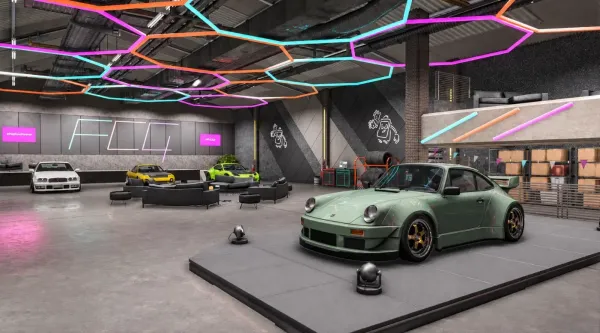
The official FH6 customization overview confirms that updated Forza Aero is configured individually for each car and that additional Liberty Walk, Rocket Bunny, and Origin Lab body kits are available on supported vehicles.
Best Conversion Choices by Build Type
- Road racing: Keep the stock drivetrain when the car already feels balanced.
- Drag racing: AWD improves launch, while RWD can produce stronger top-end speed.
- Drifting: Use RWD with responsive torque rather than maximum horsepower.
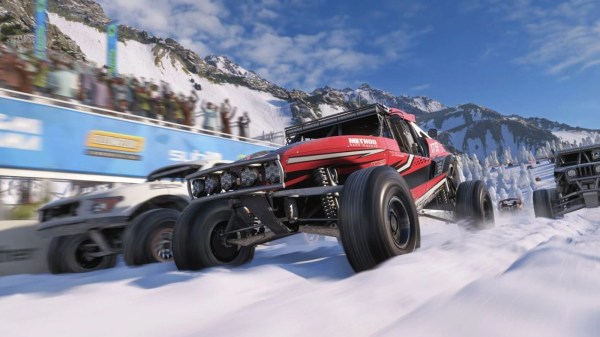
- Dirt rally: AWD and a lighter turbo engine usually work well.
- Cross country: AWD with strong low-end torque helps on rough exits.
For drag builds, drivetrain choice works with gearing and differential settings. The Forza Horizon 6 drag setup shows why raw horsepower alone rarely creates the quickest run.
Best Order for Conversion Upgrades
- Choose the racing discipline.
- Set the target class.
- Keep or convert the drivetrain.
- Compare the stock engine with available swaps.
- Choose aspiration.
- Add a body kit only when it improves grip or aero.
- Install tires, suspension, brakes, differential, and weight reduction.
- Use engine upgrades to reach the final PI ceiling.
Build better conversion tunes with these FH6 services:

Common Conversion Mistakes
Avoid:
- Swapping the engine without checking PWR
- Adding AWD to every lightweight car
- Choosing Twin Turbo when lag hurts corner exits
- Using a widebody without wider tires
- Ignoring engine weight and balance
- Spending the full PI budget on power
- Pushing the car beyond its intended class
FAQs
Is an Engine Swap Always Better?
No. The stock engine may offer better balance, PI efficiency, or usable torque.
Is AWD the Best Drivetrain Conversion?
AWD offers strong traction, but its weight and PI cost can hurt lower-class builds.
Which Aspiration Works Best for Drifting?
A Positive-Displacement Supercharger works well because it delivers immediate torque.
Do Widebody Kits Improve Performance?
They can improve grip through wider tires and track width, but some add drag, weight, and PI.
What Should You Upgrade After Conversions?
Move to tires, suspension, brakes, differential, and weight reduction before spending the remaining PI on power.