



Introduction
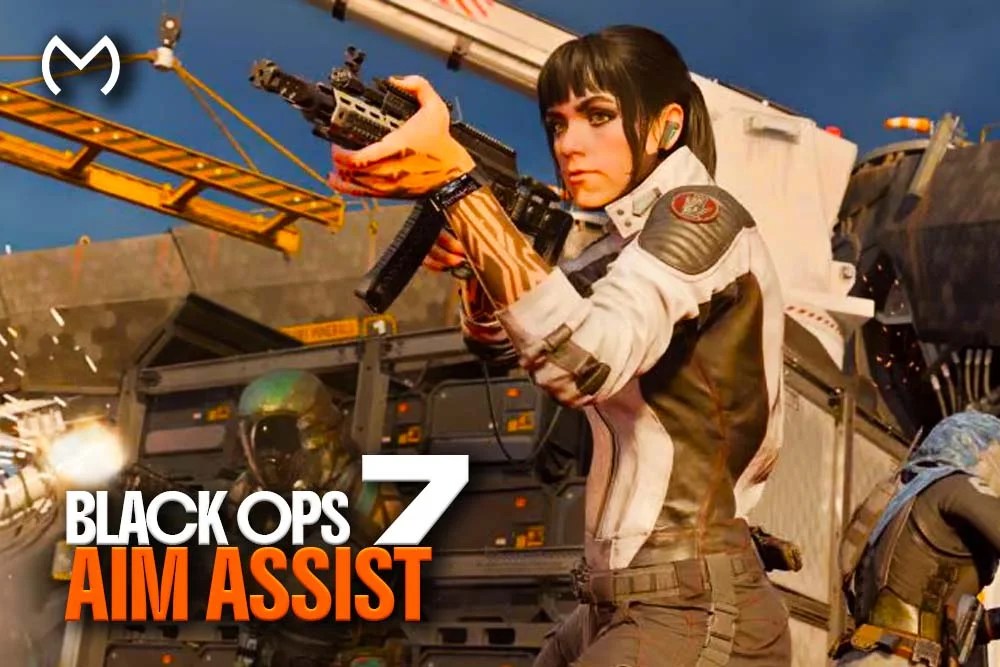
Yep, if you’ve played even a few matches, you already know that Black Ops 7 aim assist can feel different from past Call of Duty titles. Some players think it pulls harder at close range, while others feel that it disappears during fast movement or long-range fights.
Aim assist is not random, though. BO7 changed how rotational assistance reaches its full strength, so controller players now need to track targets more actively with the right stick.
This breakdown explains what aim assist does, why it may feel inconsistent and which controller settings give you a reliable starting point.
What Aim Assist Actually Does in BO7
Aim assist is not auto-aim. It does not fire for you, choose a target or keep the crosshair locked without player input.
Instead, it mainly provides two forms of assistance:
- Aim slowdown: Reduces crosshair speed while you move the reticle across an enemy.
- Rotational Aim Assist: Helps the camera follow nearby target movement while you use the sticks correctly.
The system still depends on your centering, right-stick control, visibility and engagement distance. Therefore, good positioning and manual tracking remain important.
Players comparing the game’s current modes, progression options and services can use the wider BO7 game area without treating those services as controller settings.
Why Black Ops 7 Aim Assist Feels Different Than BO6
BO7 introduced a major condition for full Rotational Aim Assist: your right-stick input must actively track the target’s direction.
In practical terms:
- Left-stick movement alone does not provide maximum rotational strength.
- The right stick must follow the enemy instead of fighting against their movement.
- Poor tracking produces weaker assistance.
- Close-range strafes require more active input.
- Long-range fights rely more heavily on precise manual corrections.
This explains why aim assist may feel strong in one gunfight and weak in the next. The system responds not only to your movement, but also to whether your aiming input matches the target’s path.
The original launch-era controller balance discussion gives useful background on why Treyarch changed the rotational mechanic.
Aim Assist on Console vs Controller on PC
Controller aim assist works on supported consoles and on PC when the game recognises a controller as the aiming input.
There is no verified rule that mixed-input crossplay lobbies secretly weaken aim assist. However, several factors can change how it feels:
- Unstable frame rate
- Input delay
- Packet burst or latency
- Stick drift
- Excessive deadzones
- High sensitivity
- Poor visibility
- Different FOV or screen size
A wider FOV can make enemies appear smaller, which may make tracking feel harder. However, FOV does not act as a direct aim-assist strength switch.
Likewise, turning Motion Blur off improves clarity but does not disable or reduce the system.
How Rotational Aim Assist Works
Rotational assistance becomes most useful during close and medium-range tracking.
For stronger, more consistent input:
- Keep the enemy near the centre of the screen.
- Use the left stick to move or strafe.
- Use the right stick to follow the enemy’s direction.
- Avoid pushing the right stick past the target.
- Make small corrections instead of sudden full-stick movements.
Do not expect the left stick to perform all the tracking. If an opponent moves right, guide the right stick in the same direction while making controlled adjustments.
However, do not force constant movement only to activate assistance. Strafing into open sightlines can still lose the gunfight even when the reticle feels sticky.
The article covering recent perk and controller-balance changes provides additional context for players returning after earlier patches.
How Aim Assist Behaves in Multiplayer
Multiplayer creates the hardest tracking situations because enemies can strafe, slide, jump and change elevation quickly.
Aim assist usually feels more consistent when:
- You centre the crosshair before aiming down sights.
- You track with the right stick instead of relying only on strafing.
- Your sensitivity allows small corrections.
- The target remains clearly visible.
- Your frame rate and connection stay stable.
It can feel less reliable when:
- You overshoot the target.
- Your stick input moves against the enemy’s direction.
- A second opponent crosses the reticle.
- Visual effects block the target.
- The enemy leaves the effective assistance range.
- Stick drift adds unwanted camera movement.
Movement itself does not universally switch aim assist off. The quality and direction of your input matter more than whether you are simply sliding or jumping.
Players working through weapon mastery can compare the current camo challenge routes without confusing cosmetic progression with aiming mechanics.
Aim Assist in Zombies Mode
Zombies often feels easier to track because enemies follow more predictable paths and approach in larger groups.
You may notice:
- Easier target transitions during close waves
- More opportunities to centre before firing
- Predictable head-level positioning
- Frequent slowdown as enemies cross the reticle
However, do not assume Zombies uses a universally stronger hidden value in every situation. Enemy movement, crowd density and engagement distance also change the experience.
Use Zombies to test centering, right-stick control and deadzones, but confirm your final settings in Multiplayer because human players move less predictably.
Best Controller Settings for Consistent Aim
These values offer a practical starting point:
| Setting | Recommended Value |
| Horizontal Stick Sensitivity | 1.50–1.65 |
| Vertical Stick Sensitivity | 1.50–1.60 |
| ADS Sensitivity Multiplier | 0.85–0.95 |
| Aim Response Curve | Dynamic |
| ADS Transition Timing | Gradual |
| Target Aim Assist | On |
| Left Stick Minimum Deadzone | Lowest drift-free value |
| Right Stick Minimum Deadzone | Lowest drift-free value |
| Stick Maximum Deadzone | 98–100 |
| Trigger Deadzones | 0–5 |
A balanced first setup is:
- Horizontal: 1.60
- Vertical: 1.60
- ADS multiplier: 0.90
- Response curve: Dynamic
- Target Aim Assist: On
These values do not make aim assist stronger. Instead, they help you control the input that the system responds to.
The existing camo progression option remains available for players who want a separate route through mastery challenges, although it does not change controller behaviour.
How to Set Your Deadzones
Keep deadzones low, but do not automatically set them to zero.
Use the built-in stick test:
- Release the stick completely.
- Watch for unwanted movement.
- Lower the minimum deadzone one step at a time.
- Stop when drift appears.
- Increase the value slightly until the input stays still.
Each controller needs a different value. A newer right stick may work at 2 or 3, while an older controller may require 5 or more.
Large deadzones delay micro-adjustments. On the other hand, values below the drift point create movement that can interfere with target tracking.
How Sensitivity Changes the Aim-Assist Feel
High sensitivity does not directly reduce the programmed strength of aim assist. However, it makes it easier to push through the slowdown zone or overshoot a moving target.
Lower sensitivity offers:
- Better micro-adjustments
- Easier recoil corrections
- More controlled long-range aim
Higher sensitivity offers:
- Faster turns
- Quicker reactions behind you
- Easier close-range camera movement
Start near 1.60 and adjust in steps of 0.05. Avoid changing several settings after every bad match.
Players who prefer to begin with existing unlocks can still compare pre-progressed account options, but they should test sensitivity on their own controller and display.
How to Test Aim Assist Properly
Use a Private Match or training area and keep the same weapon throughout the test.
Tracking Test
Follow a bot moving sideways. Keep light pressure on both sticks and check whether your reticle stays behind, remains centred or moves past the target.
Right-Stick Test
Strafe while leaving the right stick nearly still. Then repeat while tracking the target’s direction with the right stick. The second attempt should provide a clearer sense of the current rotational requirement.
Deadzone Test
Aim at a fixed point and release the controller. If the camera moves without input, increase the right-stick minimum slightly.
ADS Test
Track a distant target while aiming down sights. Lower the ADS multiplier if you repeatedly move past small targets.
Frame-Rate Test
Repeat the same exercise with stable performance. Large FPS drops can make controller response feel delayed or uneven even when the aim-assist setting has not changed.
Is Aim Assist Too Strong or Too Weak?
The answer changes by distance, weapon, player input and situation.
At close range, rotational assistance can feel noticeable because targets move quickly across the screen. At longer ranges, manual precision and recoil control become more important.
Rather than judging the system from one death, review several fights and ask:
- Did the reticle start near the target?
- Did the right stick follow the enemy?
- Did sensitivity cause an overshoot?
- Did visibility or recoil block tracking?
- Was the frame rate stable?
- Did another enemy cross the reticle?
Aim assist supports controller input. It does not replace centering, positioning or recoil control.
After several matches, the steps for reviewing recent accuracy and Combat Record results can help you judge whether a settings change actually improved performance.
Check out some of our most popular Boosting services:


When Aim Assist Feels Buggy or Off
Check these points before changing every controller option:
- Confirm Target Aim Assist is On.
- Verify the game detects Controller as the aiming input.
- Test the right stick for drift.
- Reduce oversized deadzones.
- Return sensitivity to a manageable value.
- Restart the game after changing input devices.
- Stabilise FPS.
- Check for packet burst or high ping.
- Remove third-party remapping tools for testing.
- Use a Private Match to separate connection issues from controller issues.
Also remember that smoke, visual effects, cover and target switching can change the feel of slowdown during a fight.
Conclusion
Black Ops 7 aim assist becomes easier to understand once you focus on slowdown, rotational assistance and the right-stick tracking requirement.
Keep Target Aim Assist on, use manageable sensitivity, set drift-free deadzones and follow enemy movement with controlled right-stick input. Then test the setup across several matches instead of judging it after one difficult fight.
Aim assist can support your accuracy, but consistent centering and manual tracking still decide most gunfights.
BO7 Aim Assist FAQs
Does Black Ops 7 have aim assist on PC?
Yes. PC players can use aim assist when they play with a supported controller and select it as the aiming input.
How do you get full Rotational Aim Assist?
Use the right stick to track the target’s direction. Relying only on left-stick movement provides reduced rotational strength.
Does high FOV weaken aim assist?
A high FOV makes targets appear smaller, which can make tracking harder. However, it does not directly act as an aim-assist strength control.
What is the best response curve?
Dynamic provides a responsive starting point for many players. Standard remains an option when Dynamic feels too sharp.
What ADS sensitivity should I use?
Start between 0.85 and 0.95. A value around 0.90 balances target tracking and fine corrections.
Should deadzones be set to zero?
Only when the controller shows no drift at zero. Otherwise, use the lowest value that keeps the stick stable.
Why does aim assist feel inconsistent?
Right-stick direction, sensitivity, deadzones, FPS, visibility, latency, recoil and target distance can all affect how it feels.