






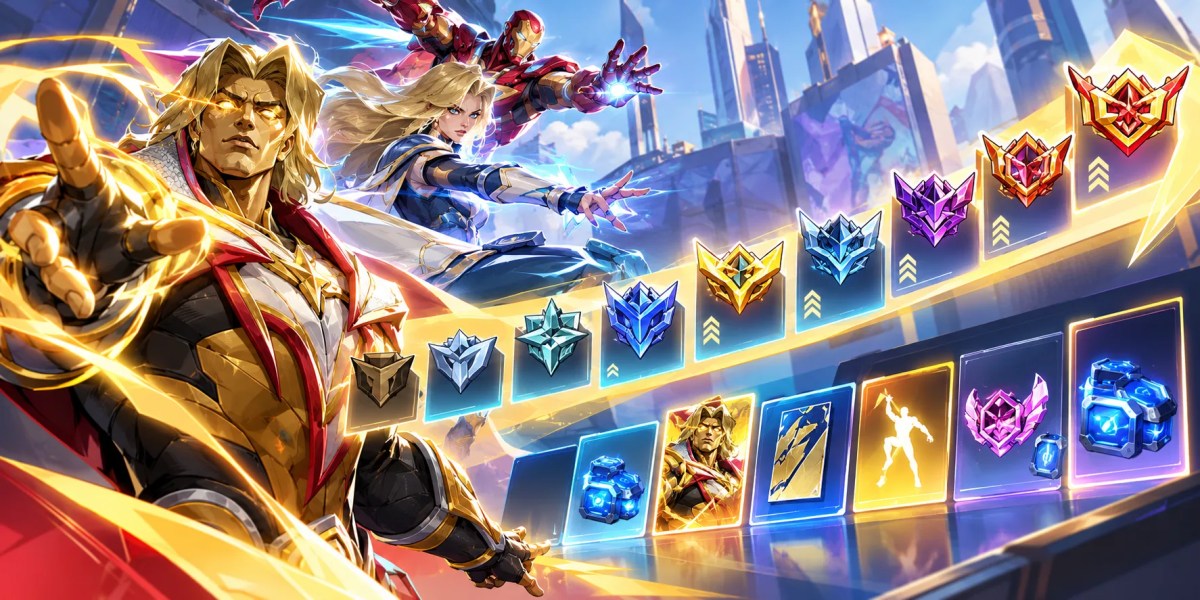
It’s important to know the hero mastery system, the main reward milestones, and the point where most players should stop grinding. This Marvel Rivals Proficiency Rewards guide breaks down everything in order. Proficiency is tied to each hero, so your progress on one character does not carry across your whole roster. If you want a flashy profile reward, pick your main first.
What Is Hero Proficiency?
Hero Proficiency is a character-specific progression system in Marvel Rivals. You earn Proficiency Points by playing a hero and completing hero-based challenges. The system tracks how much time and work you put into that specific character.
Since Season 6, Hero Proficiency uses a 70-level linear track. This replaced the older tiered setup and added more long-term rewards. The system still uses familiar rank names, but now those ranks sit across level milestones.
The Marvel Rivals Proficiency Rewards guide starts with one rule. Do not grind every hero at once. Pick the hero you actually play and push that track first.
How You Earn Proficiency Points
You earn Proficiency Points by playing heroes and completing role-based objectives. Usage time gives points every 15 minutes. Vanguards earn progress through blocking damage. Duelists earn progress through dealing damage. Strategists earn progress through healing allies.
KOs also matter, but the requirement changes by role. Vanguards get KO tasks. Duelists focus on final hits. Strategists can progress through KOs and assists.
Quick Match and Competitive missions have no cap on repetition. Arcade Mode missions have a daily repeat limit of 15. That makes Quick Match and Competitive more reliable for longer grind sessions.
All Proficiency Ranks And Points
The current track has 70 levels, with major rank milestones along the way. Early ranks in Marvel Rivals move quickly, but the grind becomes much heavier later. That is why you should know your stopping point before sinking hours into one hero.
| Rank | Levels | Points Per Level | Total Points |
| Agent | 1 to 4 | 125 | 500 |
| Knight | 5 to 9 | 240 | 1,700 |
| Captain | 10 to 14 | 400 | 3,700 |
| Centurion | 15 to 19 | 480 | 6,100 |
| Lord | 20 to 24 | 1,600 | 14,100 |
| Count | 25 to 29 | 1,600 | 22,100 |
| Colonel | 30 to 34 | 1,600 | 30,100 |
| Warrior | 35 to 39 | 1,600 | 38,100 |
| Elite | 40 to 44 | 1,600 | 46,100 |
| Guardian | 45 to 49 | 1,600 | 54,100 |
| Champion | 50 to 70 | 3,100 | 116,100 |
Count rewards include the Count Badge at Level 25, 100 Units at Level 27, and the Uncanny hero title at Level 29.
Colonel unlocks an Avatar Frame at Level 30, 100 Unstable Molecules at Level 32, and the Amazing hero nameplate at Level 34.
Warrior gives the Warrior Badge at Level 35, 100 Units at Level 37, and the Amazing hero title at Level 39.
Elite unlocks another Avatar Frame at Level 40, 100 Unstable Molecules at Level 42, and 100 Units at Level 44.
Guardian gives the Guardian Badge at Level 45, 100 Unstable Molecules at Level 47, and 100 Units at Level 49.
Champion starts at Level 50 with the animated Champion hero icon. Further rewards include the Champion Badge at Level 55, Immortal title at Level 60, Immortal nameplate at Level 65, and Legendary hero title at Level 70.
What Agent To Centurion Means
Agent is the starting rank. It gives you a basic entry point into the system, but it is not the reward goal for most players. The early levels are mainly there to get you moving and teach the challenge loop.
Knight, Captain, and Centurion are better early targets because they start building visible progress. You can go for sprays and KO prompts across lower and mid tiers. These are nice rewards, but they are not the reason most players grind hard.
For a casual player, Centurion is a good test. If you are bored before this point, do not force the Lord grind.
Why Lord Is The First Real Stop
Lord is the first major stopping point in this Marvel Rivals Proficiency Rewards guide. It starts at Level 20 and represents a real mastery milestone. Lord is connected with the classic avatar icon and mastery badge title.
This is the point where your main starts looking serious. It is also where the grind gets much heavier. Lord and the ranks after it use 1,600 points per level until Guardian.
If you only want your hero to look mastered, stop around Lord. It gives you the core prestige without forcing the Level 70 marathon.
Why Level 70 Is A Different Grind
Level 70 is the Champion end point. It takes 116,100 total points. That is a huge jump compared with early milestones.
The reason to push this far is simple. You want the highest reward track, stronger profile flex, and the final character-specific Legendary Title. This is for players who truly main one hero. Do not push Level 70 on a hero you barely enjoy. The grind is too long for a character you only play once in a while.
Champion actually begins at Level 50, while Level 70 is the maximum Proficiency level and final reward milestone. NetEase has not published an official completion-time estimate.
Current guides put Lord at roughly 20 hours of focused play, while estimates for reaching the full Level 70 cap are around 125 to 150 hours, depending heavily on the hero, mode, and player performance.
When Should You Stop Grinding?
Most players should stop at Lord. It gives a strong mastery signal without demanding the full Champion climb. This is the best stopping point if you like one hero but still play several others.
Push past Lord only if the hero is your real main. If you play them every session, higher ranks make sense. If you swap roles often, you are better off building several heroes to mid-tier instead.
The Marvel Rivals Proficiency Rewards guide answer is simple. Stop at Lord for value. Push to Level 70 for dedication.
You can also check out our best Marvel Rivals boosting services:

Best Heroes To Grind First
The best hero to grind is the one you actually play well. Proficiency rewards are hero-specific, so picking a meta hero you hate is a waste. You need consistent time on the character to make progress feel natural.
Strategists can gain points through healing tasks. Duelists can progress through damage and final hits. Vanguards can progress through blocking and KOs.
Choose a role that fits your habits. If you already heal every match, a Strategist grind will feel smoother. If you chase eliminations, a Duelist track may fit better.
Common Mistakes To Avoid
Proficiency progression rewards consistent play, but inefficient grinding can waste hours. A clear plan helps you earn meaningful rewards without turning every match into work. Avoid these mistakes before committing to the longer levels.
- The biggest mistake is chasing Level 70 too early. You may burn out before the rewards feel worth it. Build one hero to Lord first, then decide if you want more.
- Another mistake is grinding heroes you do not understand. If your performance is weak, role tasks take longer. Learn the kit before you commit.
- Also, do not ignore mission segmentation. Quick Match and Competitive behave differently from Arcade Mode. Knowing that saves time during longer grinds.
Conclusion
Hero Proficiency is Marvel Rivals’ long-term mastery system for individual heroes. You earn points through usage time and role-based challenges. The track now runs to Level 70, with major milestones from Agent to Champion.
If you want Lord-tier progress without doing the full grind yourself, explore Marvel Rivals Hero Proficiency Boost on MitchCactus. Our service lets you choose your current tier, desired tier, and hero. Standard delivery is around 24-72 hours. Express delivery is available. Progress is completed through regular in-game play without cheats or software.
FAQs
Does Proficiency Affect Ranked Matchmaking?
No, Proficiency is separate from competitive rank. It shows long-term hero progress, not current ladder skill. A player can be low rank with strong hero mastery. Another player can be high rank with low progress on a new hero. Treat it as a character dedication signal.
Should You Grind Proficiency In Competitive?
Competitive can work if you already play the hero well. The matches are more serious, so poor hero comfort can hurt your team. Quick Match is safer for learning a new pick. Use Competitive when you want cleaner teamwork and already understand your role tasks.
Is It Better To Master One Hero Or Several?
Master one hero first if you want visible rewards faster. Spread progress across several heroes if you play flex often. A single Lord badge looks cleaner, but multiple mid-level heroes give more practical match options. Your choice depends on how often you switch roles.
What Makes A Hero Easier To Grind?
A hero feels easier when their normal gameplay matches their Proficiency tasks. Healers benefit from steady healing goals. Damage heroes benefit from strong output and final hits. Tanks need consistent blocking and KO chances. Pick someone whose role objectives fit how you already play.